Address
304 North Cardinal St.
Dorchester Center, MA 02124
Work Hours
Monday to Friday: 7AM - 7PM
Weekend: 10AM - 5PM
Address
304 North Cardinal St.
Dorchester Center, MA 02124
Work Hours
Monday to Friday: 7AM - 7PM
Weekend: 10AM - 5PM
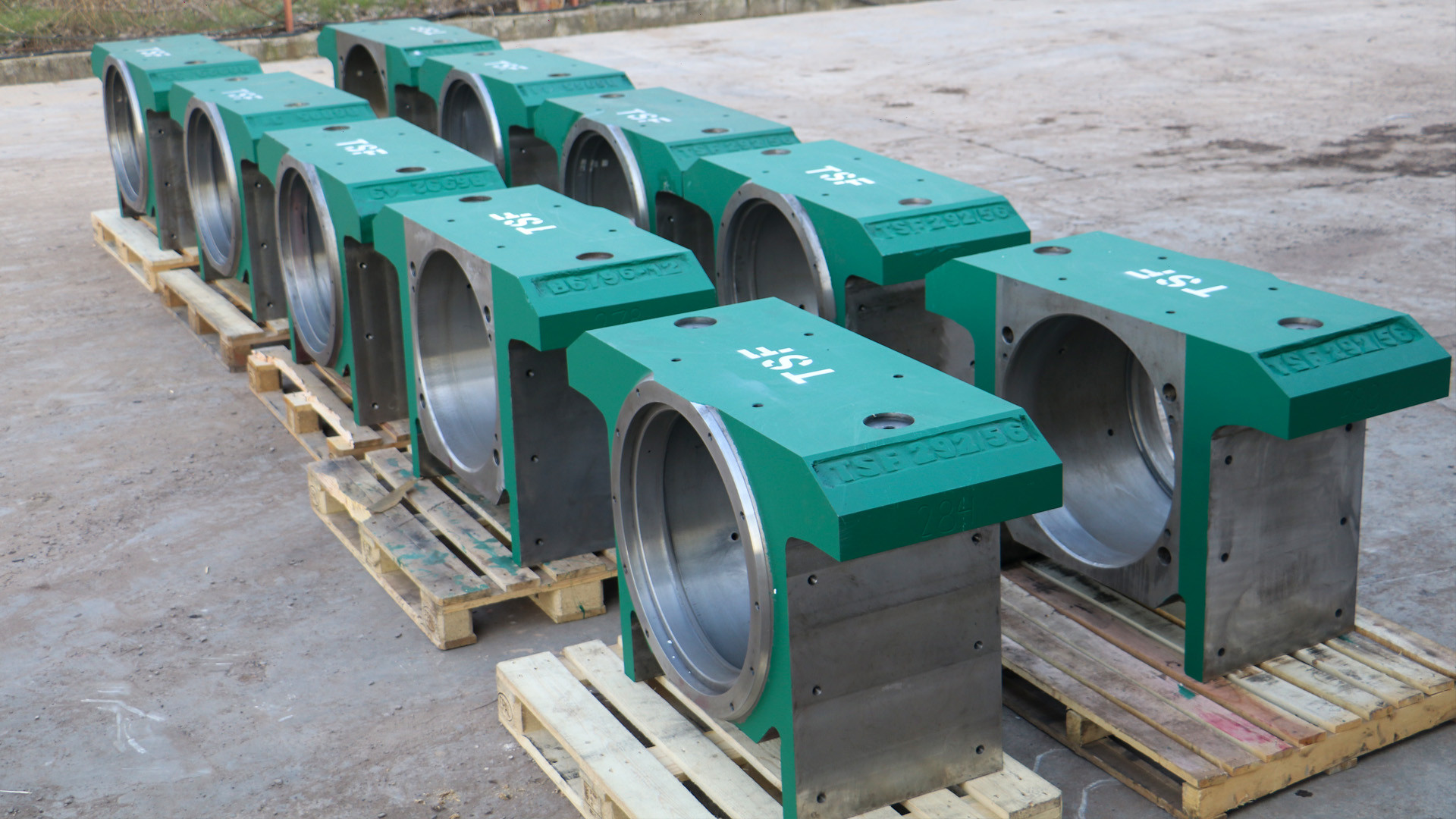
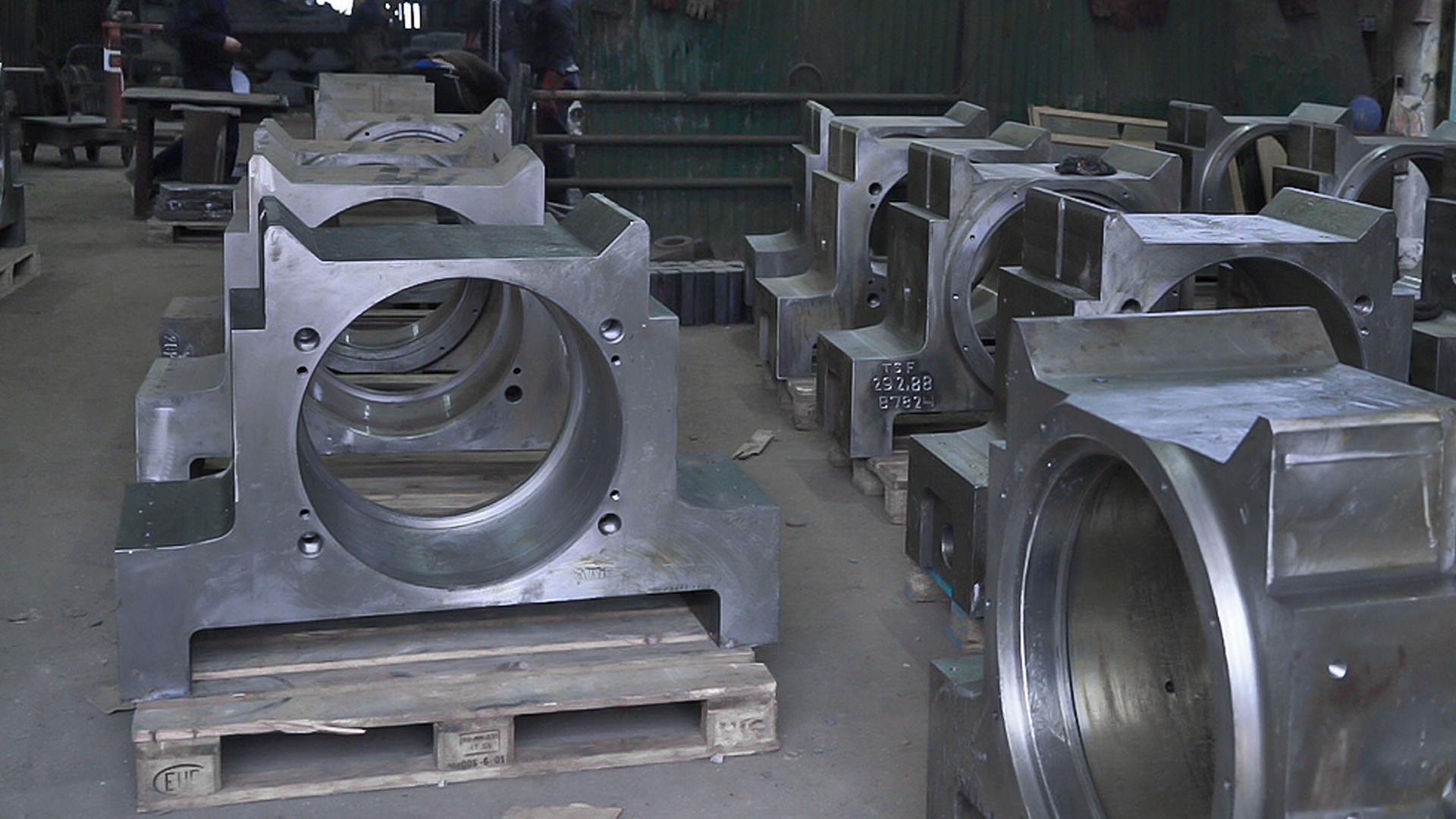
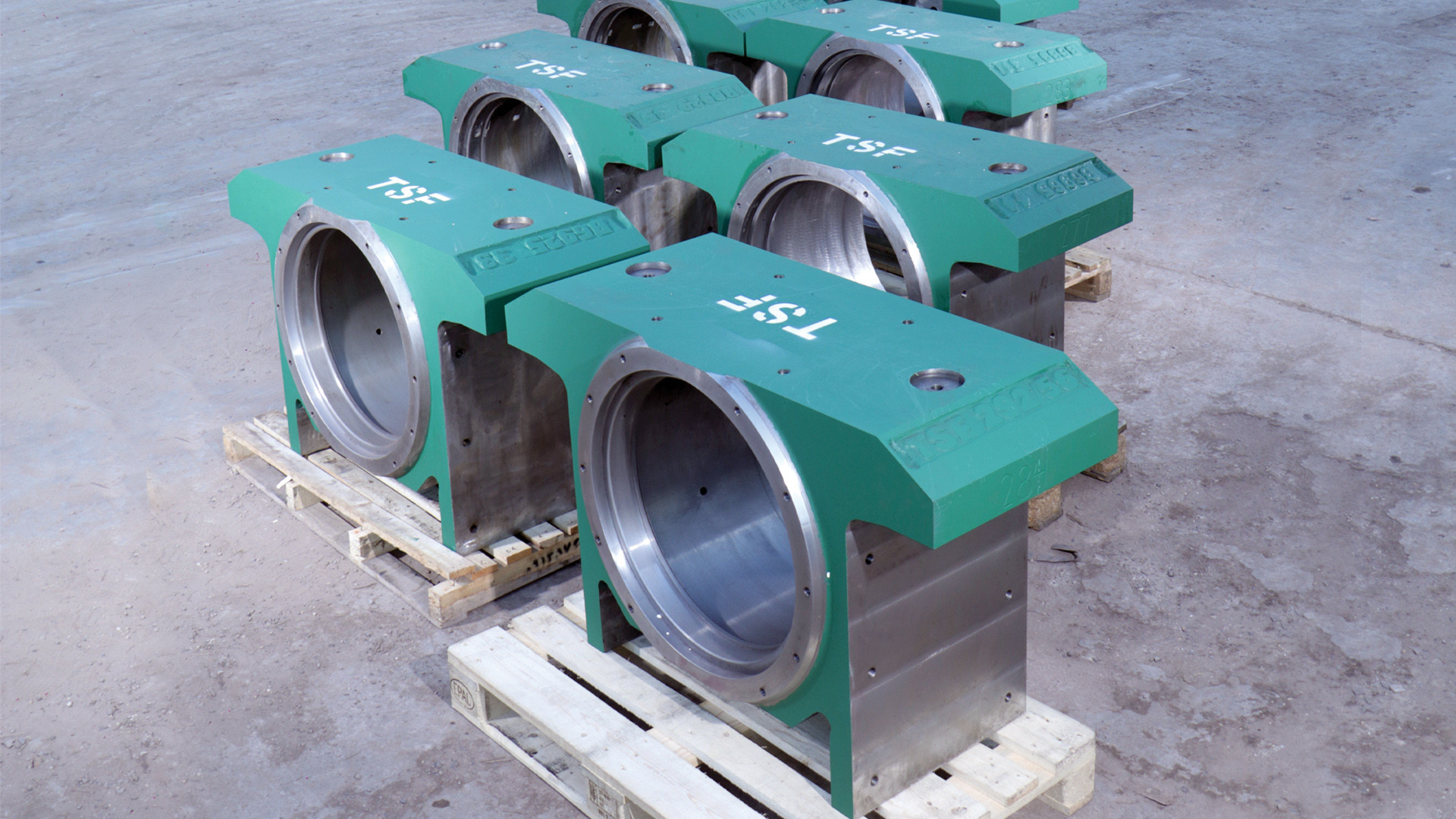
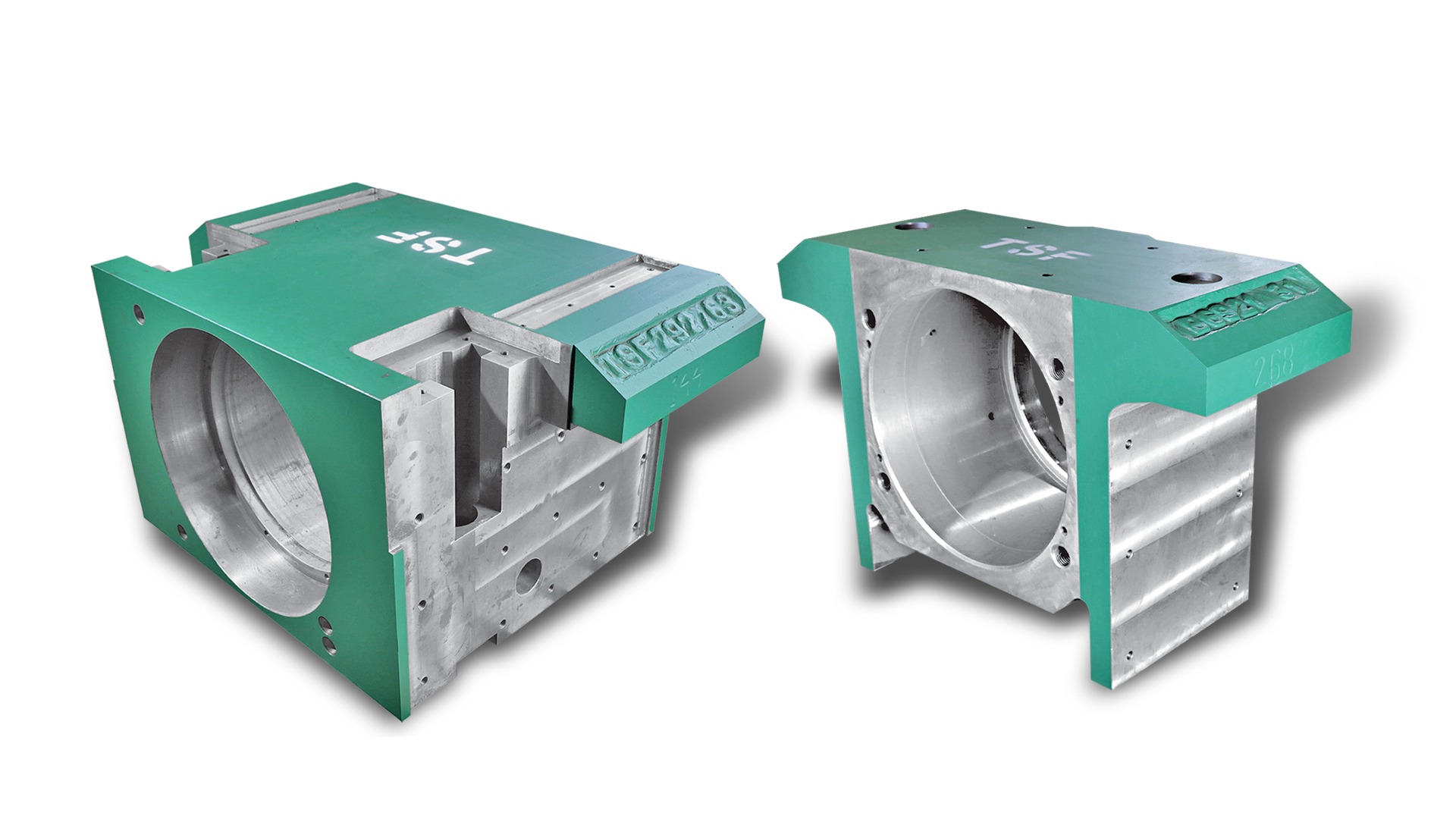
Roll Chocks
Revolutionizing Chock Manufacturing for Mobarakeh Steel Company
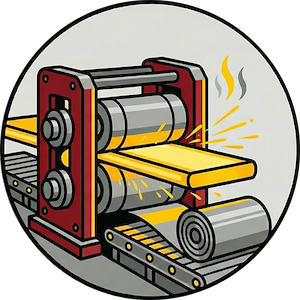
In steel rolling plants, roller chocks are vital components that support and align the work or backup rolls while housing the bearings that facilitate smooth rotation. These components must perform under extremely high loads and temperatures to ensure operational stability.
Key Functions:
Operational Challenges: Chocks face significant stress factors, including high mechanical loads, heat-induced deformation, continuous wear and fatigue, vibration, and dynamic impact loads. Furthermore, difficulties in lubrication and sealing can lead to bearing damage. To survive these demanding environments, TSF chocks are engineered to combine immense strength, rigidity, and effective protection systems.
Case Study: Innovation for Mobarakeh Steel Company (MSC)
The Challenge (Pre-2013): Before 2013, the F5-F7 chocks for Mobarakeh Steel Company’s rolling mill lines were manufactured by machining ready-forged blocks. Due to the lack of a capable domestic foundry unit at the time, this method resulted in limited material selection options and significantly high final costs.
The TSF Solution: During technical visits to Mobarakeh Steel, TSF experts proposed a shift to the casting and machining method. Following subsequent visits by MSC rolling unit managers to TSF facilities and their approval of our quality standards, we initiated production.
Key Milestones:
Material Science: FE G 80 and GS 42CrMo4 Steel
To meet the highly sensitive conditions of chock operation, TSF utilizes FE G 80 or GS42CrMo4 steel. This alloy relies on a precise combination of Nickel, Chromium, and Molybdenum.
Metallurgical Control:
Quality Assurance and Technology
Due to the operational sensitivity of roller chocks, TSF ensures that no defects exist beyond standard limits.
Engineering & Simulation Our Design and Technology Unit utilizes advanced simulation software to develop, control, and modify casting technology before production begins.
Non-Destructive Testing (NDT) Mandatory inspections are performed on all parts by TSF’s certified quality control and laboratory experts: