Address
304 North Cardinal St.
Dorchester Center, MA 02124
Work Hours
Monday to Friday: 7AM - 7PM
Weekend: 10AM - 5PM
Address
304 North Cardinal St.
Dorchester Center, MA 02124
Work Hours
Monday to Friday: 7AM - 7PM
Weekend: 10AM - 5PM
Vertical Mill Rollers & Tables
Engineered for the Grind: High-Chromium Solutions for Cement Plants

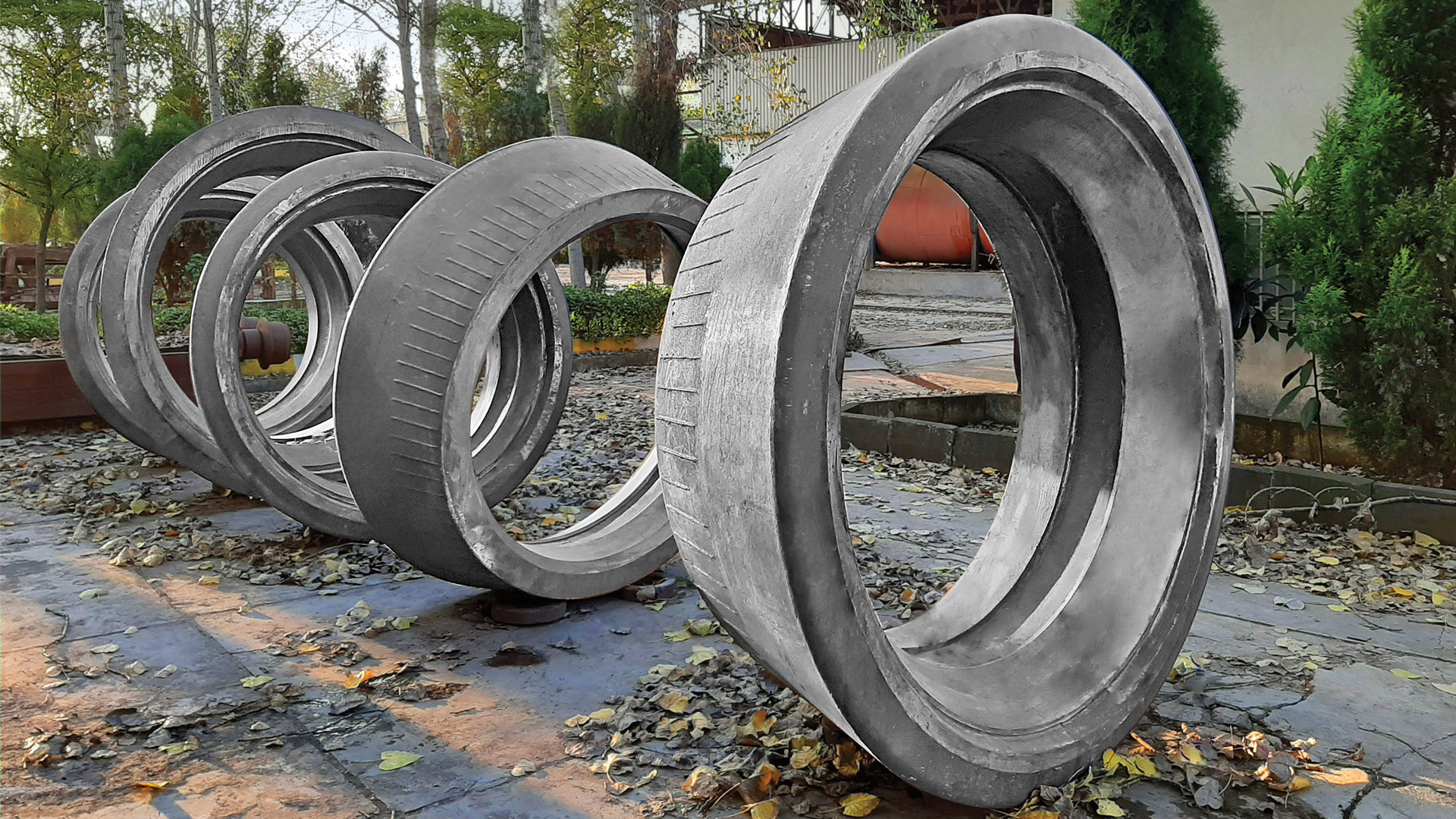
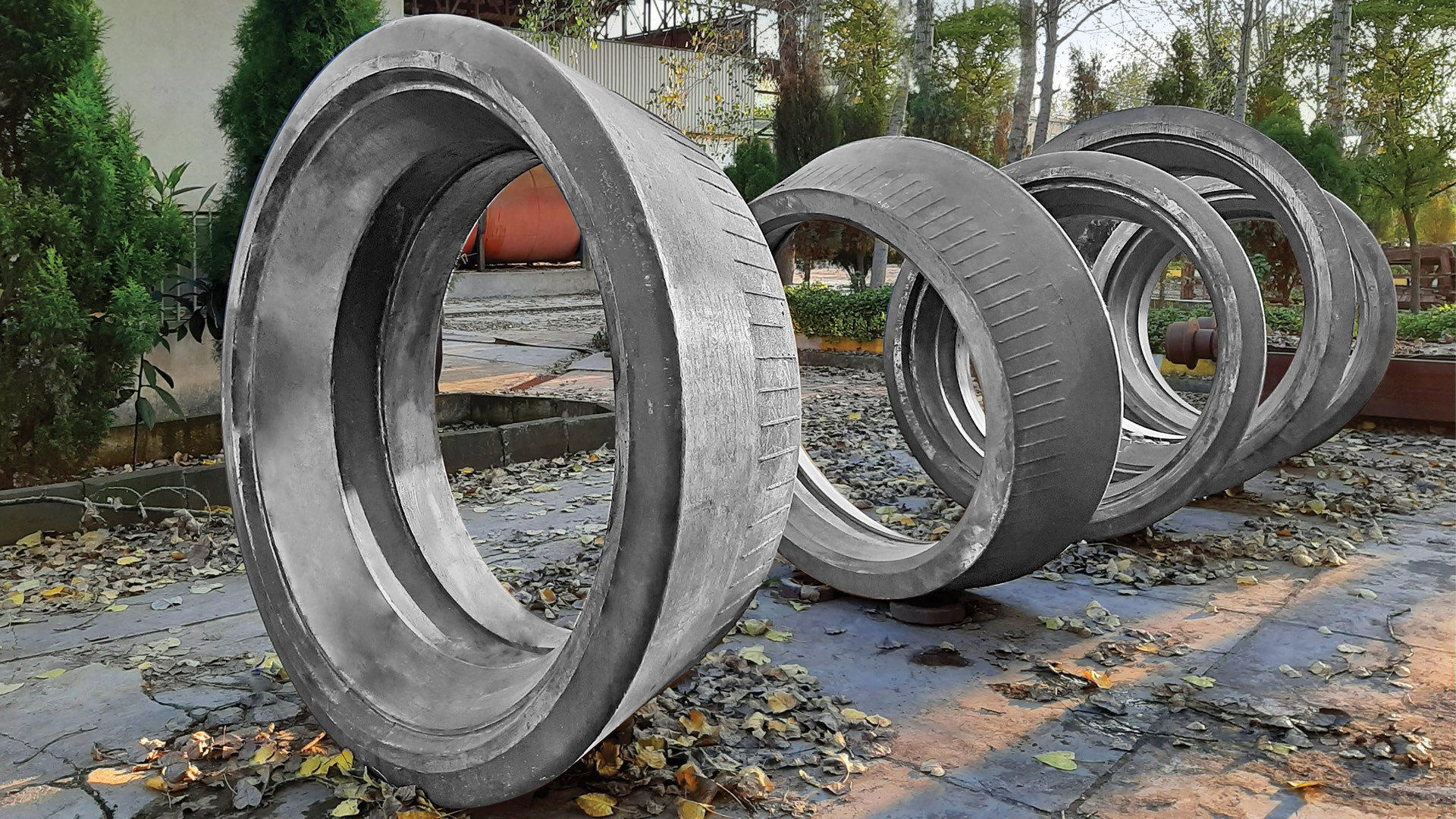
In cement vertical mills, roller and table casting parts are the critical wear components responsible for grinding clinker and other raw materials into fine powder.
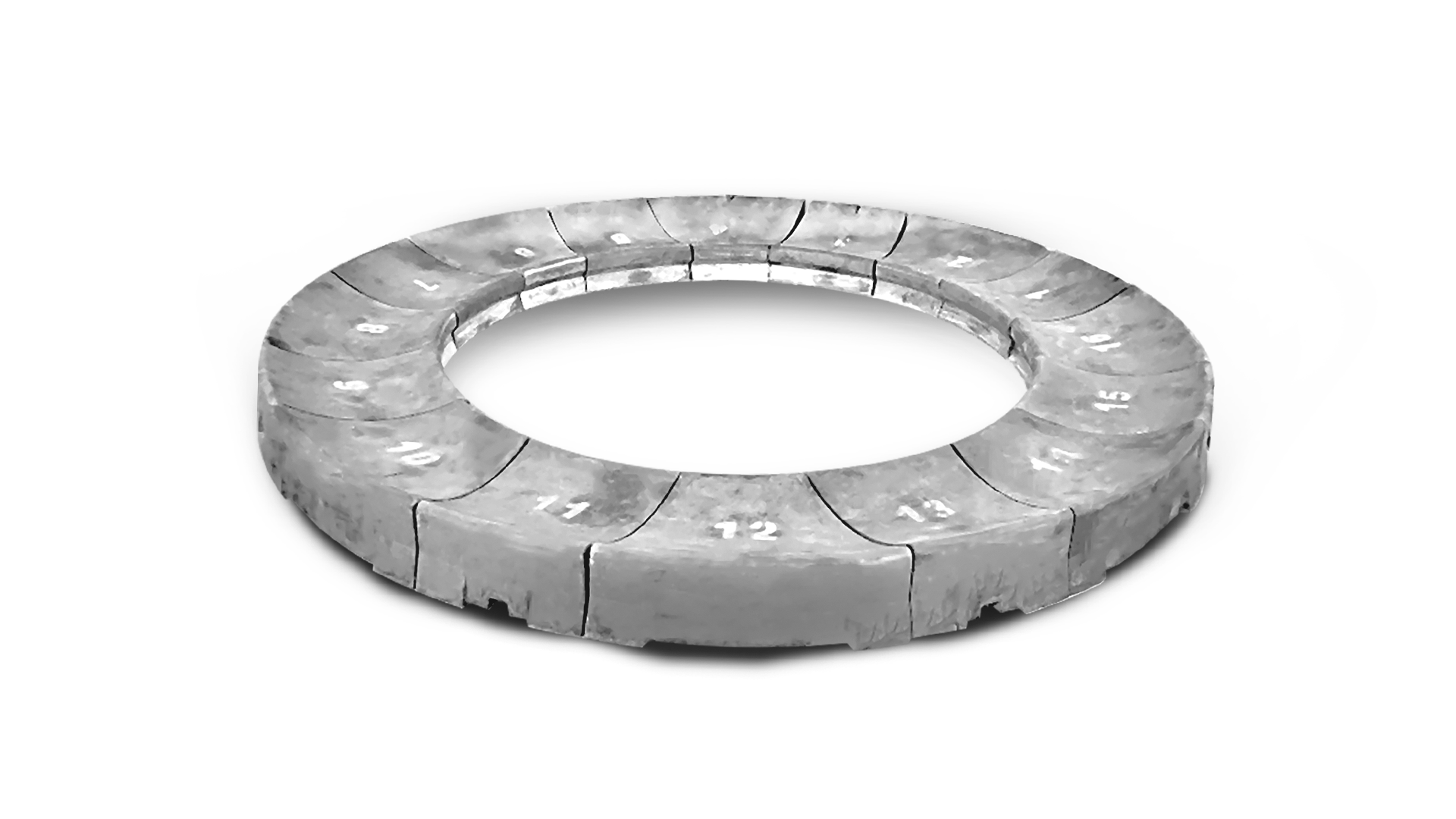
Operational Mechanism: The grinding table supports the material bed and provides the track on which the rollers—typically three or four heavy cylindrical castings—exert high pressure to crush the material under a powerful hydraulic system.
Materials and Design: Both rollers and tables are usually manufactured from High-Chromium or Ni-Hard cast iron to ensure maximum resistance to abrasion and impact. To address specific operational needs, different types of castings are employed:
Operational Challenges: These components perform their duties under punishing conditions, enduring high stress and severe wear from continuous grinding.
Major challenges include:
To prolong service life and maintain optimal performance, proper alloy selection, hardfacing, and periodic maintenance are vital.
TSF Production Capability: The Only Domestic Manufacturer
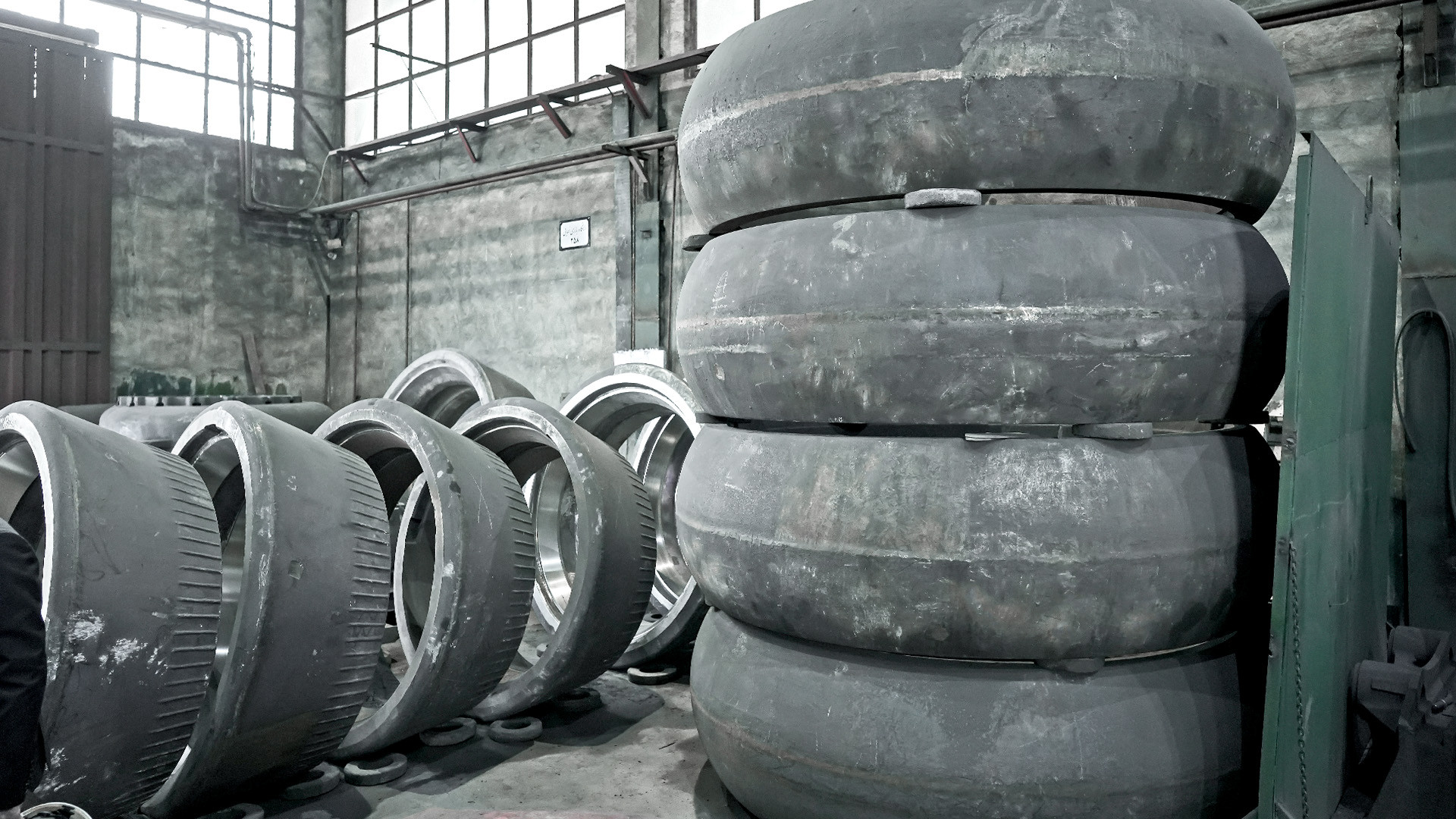
The production of vertical roller mill grinding parts at Tabarestan Steel Foundry (TSF) began in 2011. This expansion was driven by the installation of high-capacity melting furnaces at our facility and the growing adoption of vertical mills in Iranian cement plants.
Since that milestone, TSF has proudly remained the only domestic manufacturer of these critical components in Iran.
Manufacturing Precision: Our roller parts, weighing up to 10 tons each, are cast and processed as one-piece components. One of TSF’s major technical accomplishments in this field is the ability to achieve tight machining tolerances on materials with a hardness of up to 60 HRC.
Quality Assurance and FLSmidth Collaboration
A key quality aspect in producing these massive parts is ensuring uniform hardness throughout thick cross-sections. Without this uniformity, excessive wear occurs shortly after commissioning, leading to high operational costs.
The Validation Process Aware of this metallurgical challenge, TSF initiated a research collaboration with FLSmidth before starting full-scale production.
Market Reach and Compatibility
Since receiving this validation, all cement plants in Iran have sourced their vertical mill wear parts from Tabarestan Steel Foundry. We manufacture components fully compatible with the world’s leading mill models, including:
Maximize Your Mill Efficiency Replace worn components with high-precision, uniform-hardness castings from Iran’s only domestic manufacturer. Whether you operate a Loesche, Pfeiffer, or FLSmidth mill, TSF delivers the durability you need.